Technology for the people who protect African wildlife
Rangers and reserves in the Zambezi region cannot watch every corridor, water point and fence line. Sensors, cameras and trackers can. We buy and place that technology, and connect it to the people who act on it.
What we do
We fund the tools that let a small team see a large area: gunshot sensors that reach a control room in seconds, camera traps that recognize a vehicle, trackers that show where animals move, and the base stations that carry all of it across 80,000 acres without a phone signal.
The Foundation raises the money, buys the units, and places them with field partners who operate them. Every placement is listed on the Impact page.
Choose your place on the network
From $10 a month. Cancel any time. 100% of your gift goes towards the cause.
Listener
You put ears in the bush: sensors that hear gunshots, animals and weather.
Photographer
You put eyes on the ground: camera traps that recognize what walks past.
Tracker
You follow the animals: trackers that show where they move and where they are at risk.
Network Builder
You connect it all: the base station that carries every sensor, camera and tracker back to the people who act on it.
The wildlife we work for
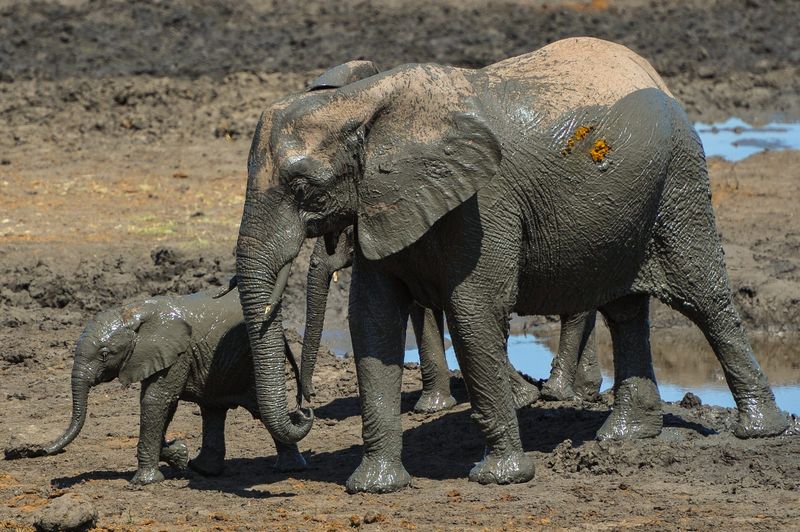
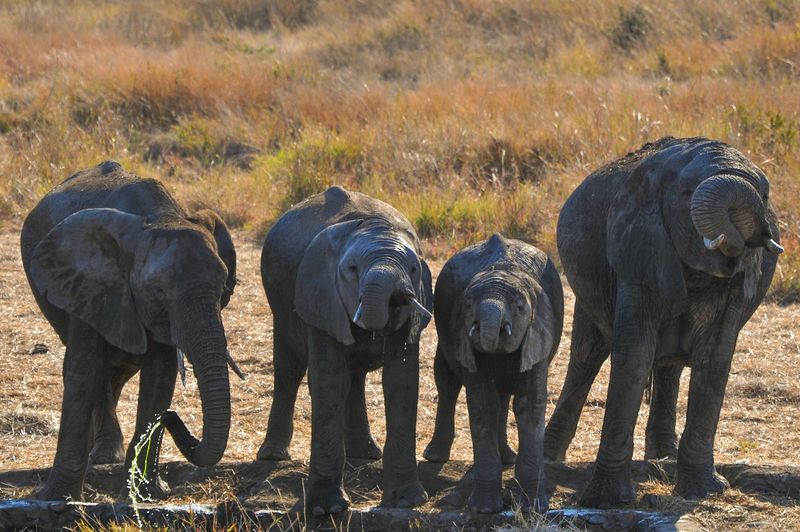
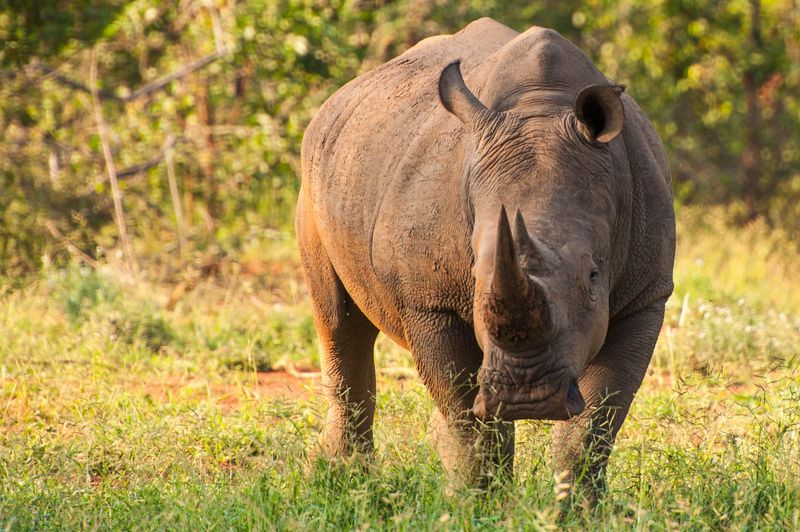
African wildlife, photographed in the field by our founder.
Elephant
The Kavango Zambezi region holds the largest remaining elephant population on Earth: about 227,900 animals across five countries.
Rhino
Africa lost 516 rhinos to poachers in 2024.
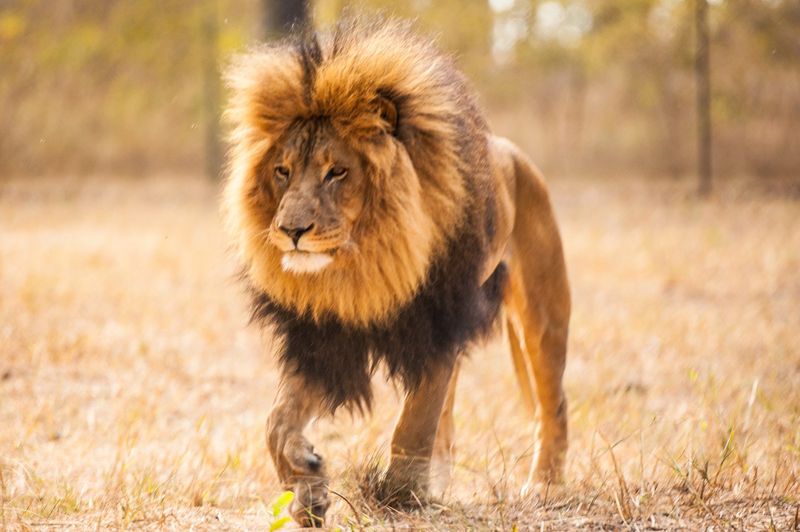
Lion
Between 22,000 and 25,000 lions remain in Africa, on about 6 percent of their historical range.
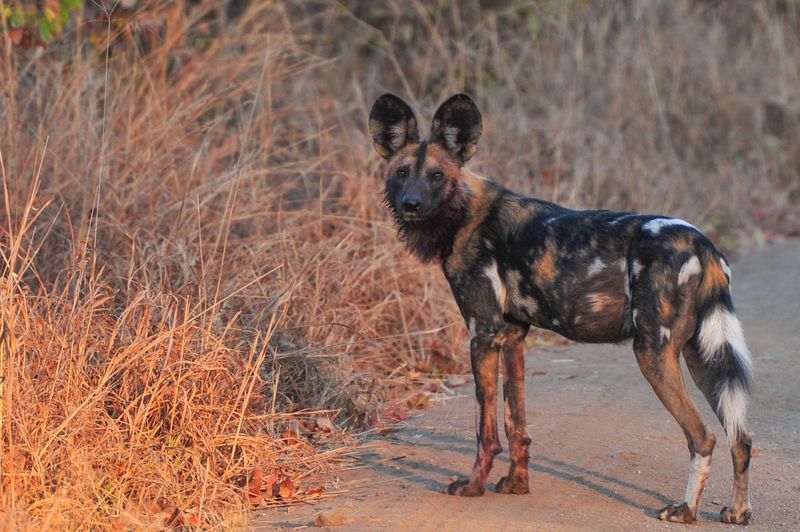
Wild dog
About 6,600 adults remain, in 39 separate subpopulations.
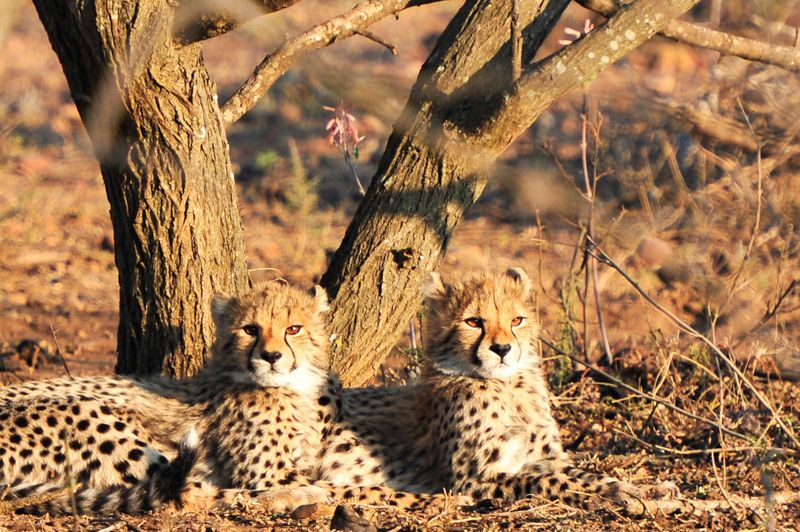
Cheetah
Roughly 6,500 mature cheetahs remain in the wild, on about 9 percent of the historical range.
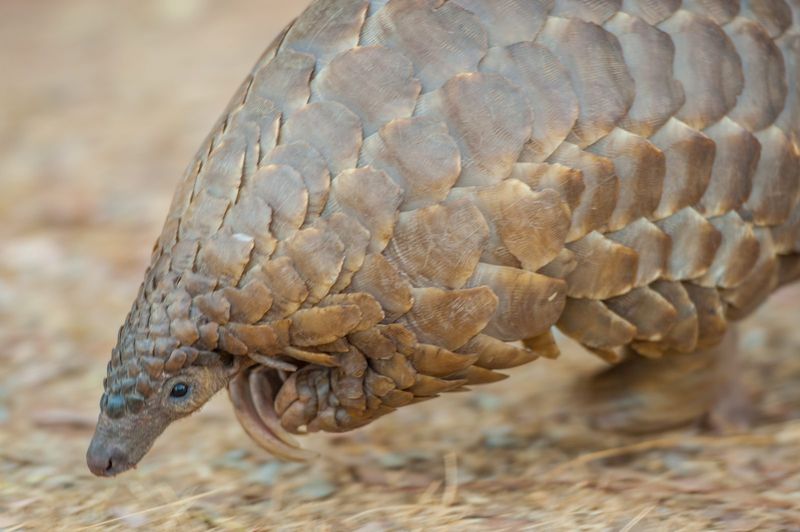
Pangolin
Pangolins are the most trafficked wild mammals in the world.
Governance and financials
US 501(c)(3) public charity, EIN 87-1750547, founded 2021.
Field notes
Once a month: what we posted, what we learned, what we funded. Read the latest note or get it by email.