
Elephant
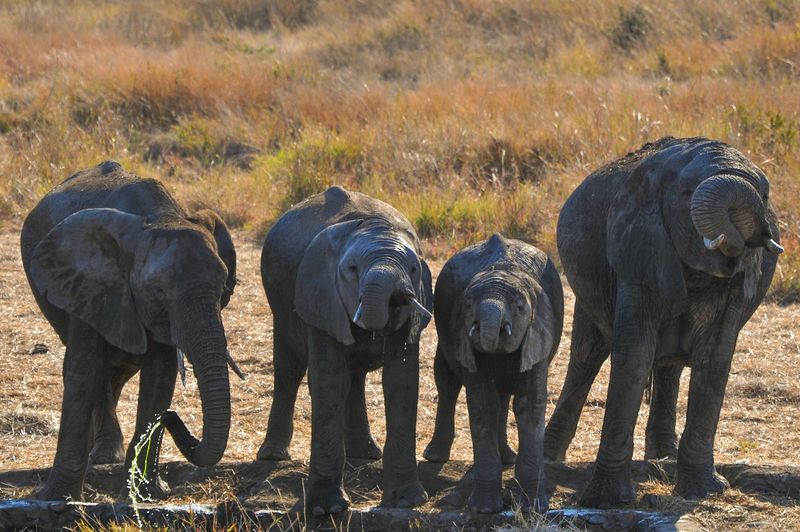
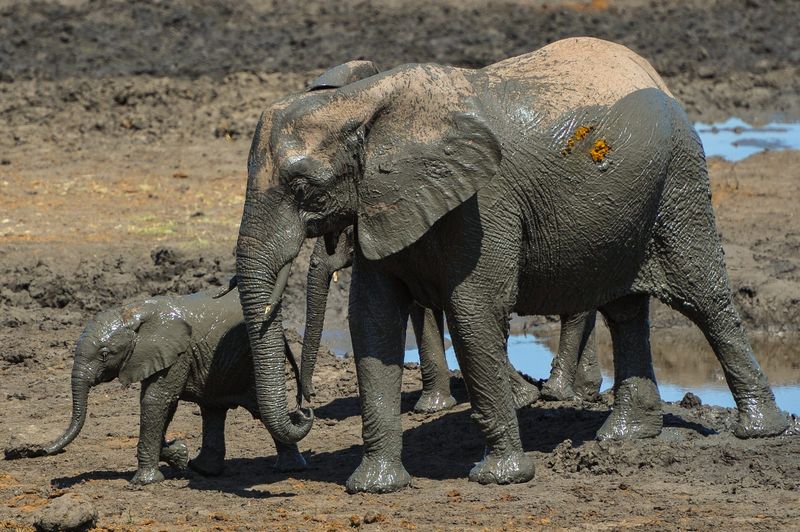
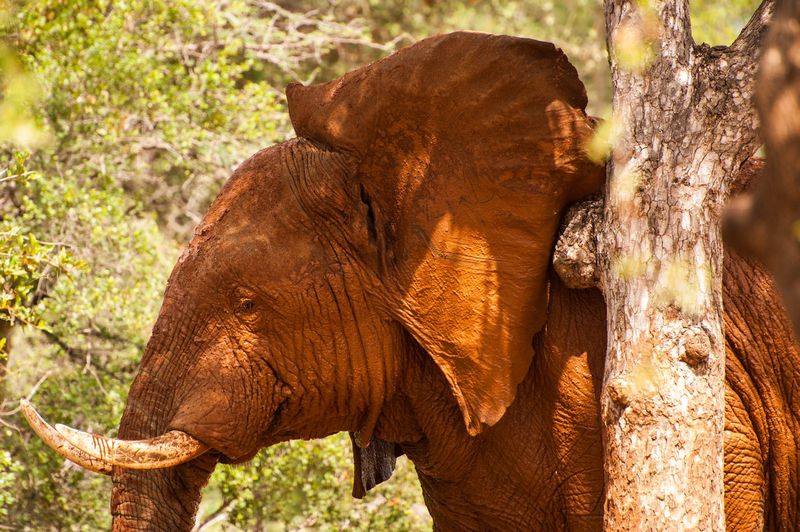
The Kavango Zambezi region holds the largest remaining elephant population on Earth: about 227,900 animals across five countries.Source: KAZA Elephant Survey 2022 (published 2023)
| Remaining | About 415,000 African elephants (2016 continental estimate); about 227,900 of them in the Kavango Zambezi region |
|---|---|
| Trend | Decreasing |
| Historical range | About 17 percent of historical range |
Source: IUCN African Elephant Status Report 2016; KAZA Elephant Survey 2022; Wall et al., Current Biology 2021
The Kavango Zambezi Transfrontier Conservation Area covers about 520,000 square kilometers across Angola, Botswana, Namibia, Zambia and Zimbabwe, and its elephants move across all five borders. Poaching, drought and conflict with farmers follow them. The Great Elephant Census (2016) recorded a 30 percent loss of savanna elephants across surveyed range states between 2007 and 2014, about 144,000 animals. The savanna elephant is listed as Endangered.
What technology changes
Acoustic gunshot sensors, AI camera traps on corridors and water points, herd trackers with alerts to community scouts.
Rhino
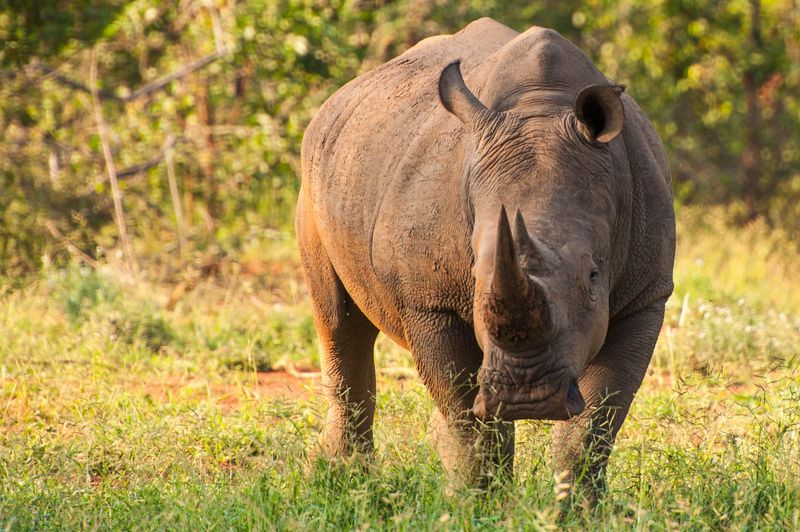
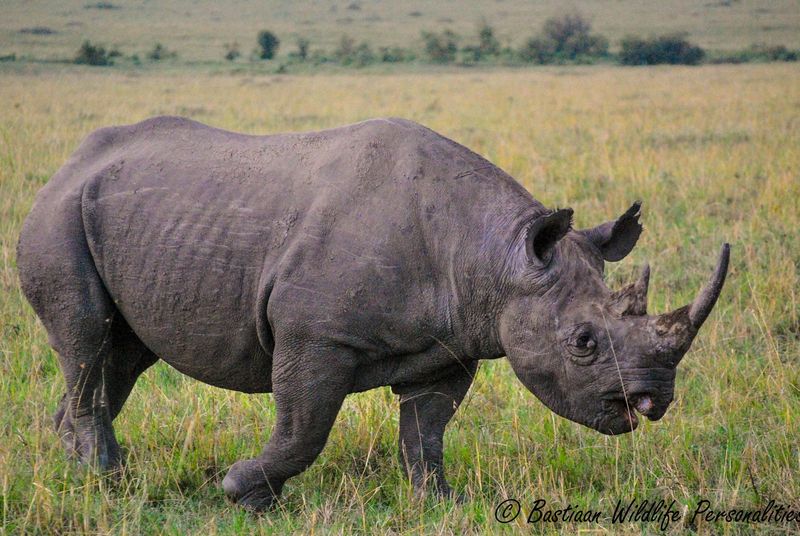
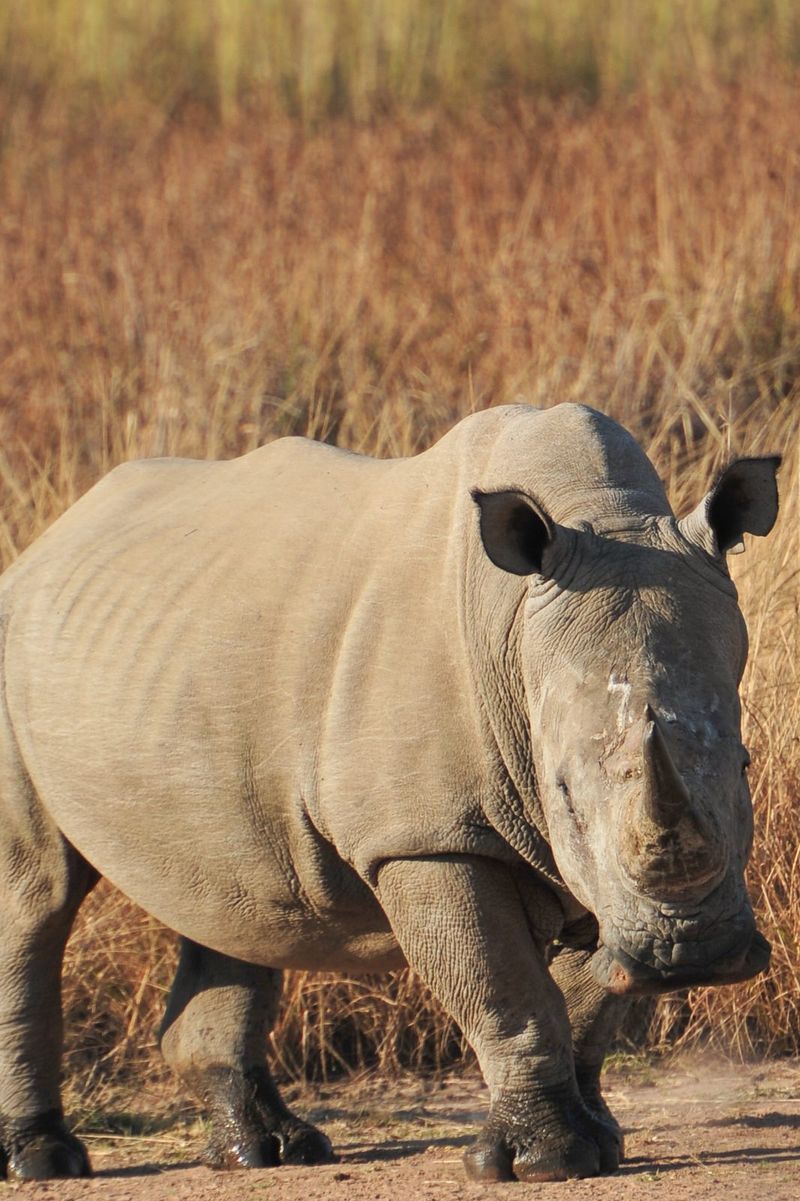
Africa lost 516 rhinos to poachers in 2024. About 15,750 white rhinos and 6,800 black rhinos remain.Source: IUCN African Rhino Specialist Group and TRAFFIC, report to CITES, August 2025; International Rhino Foundation, State of the Rhino 2025
| Remaining | About 22,540: 15,752 white and 6,788 black (end of 2024) |
|---|---|
| Trend | Decreasing overall (6.7 percent in 2024); white down, black up |
| Historical range | About 2 percent of historical range; fragmented populations in about 12 countries |
Source: IUCN African Rhino Specialist Group and TRAFFIC, 2025; Humane World for Animals, black rhino factsheet
More than 80 percent of the 2024 poaching took place in South Africa, which lost a further 352 rhinos in 2025. White rhinos are listed as Near Threatened and fell 11 percent in 2024; black rhinos are Critically Endangered and grew 5 percent. Poaching concentrates wherever detection is weakest: in 2025, losses in Hluhluwe iMfolozi Park fell from 198 to 63 after dehorning and intensified patrols, while Kruger National Park rose from 88 to 175.
What technology changes
Perimeter intrusion detection, acoustic sensors, camera traps with vehicle and person recognition, secure radio to a control room.
Lion
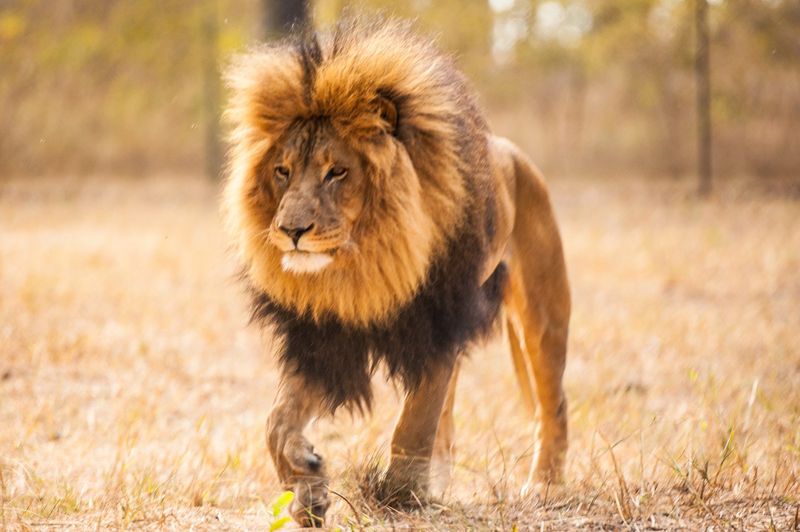
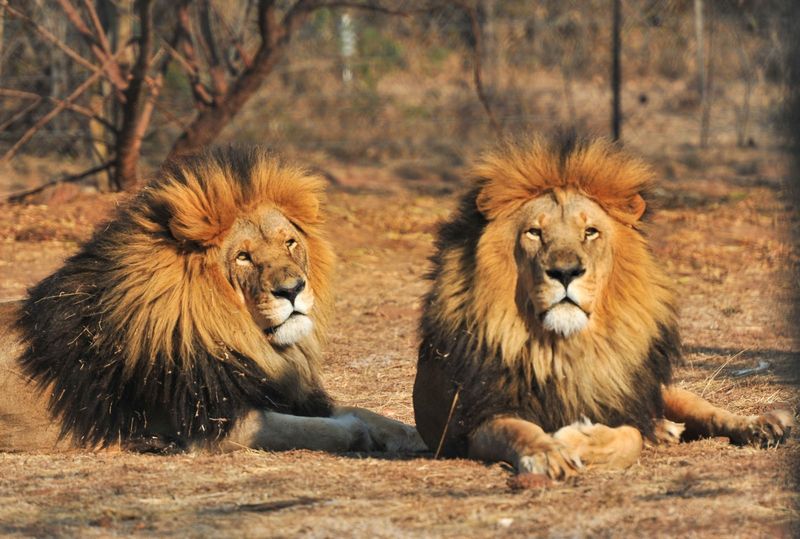
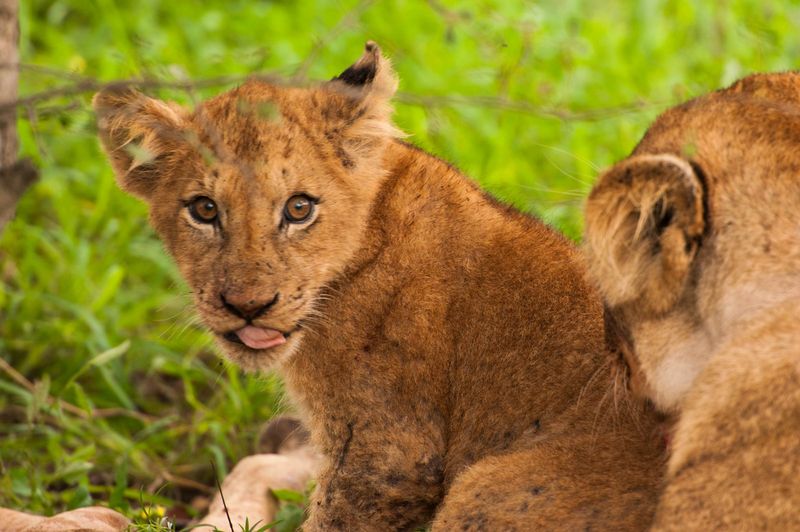
Between 22,000 and 25,000 lions remain in Africa, on about 6 percent of their historical range.Source: IUCN Red List, Panthera leo, version 2024-2; African Lion Database 2023 to 2024
| Remaining | 22,000 to 25,000 |
|---|---|
| Trend | Decreasing |
| Historical range | About 6 percent of historical range |
Source: IUCN Red List 2024-2; African Lion Database
Lions are listed as Vulnerable, and the trend is down: the IUCN estimates a 34 percent range decline over the last three generations (2004 to 2025). The pressures are loss of prey, retaliation after livestock kills, and habitat broken into pieces too small for a pride. Where lions survive alongside people, early warning decides the outcome: a collar or camera that tells a herder the pride has moved before livestock is lost and a lion is poisoned.
What technology changes
Collar and camera alerts to communities, prey-base monitoring, conflict hot-spot mapping.
Wild dog
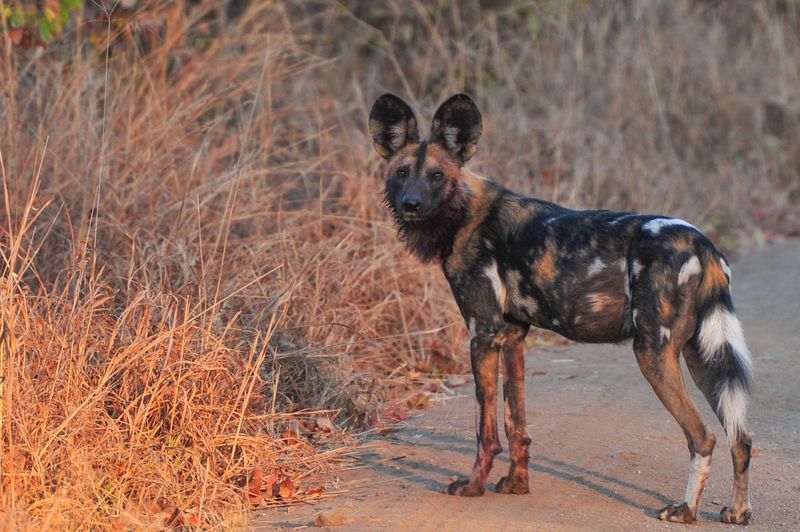
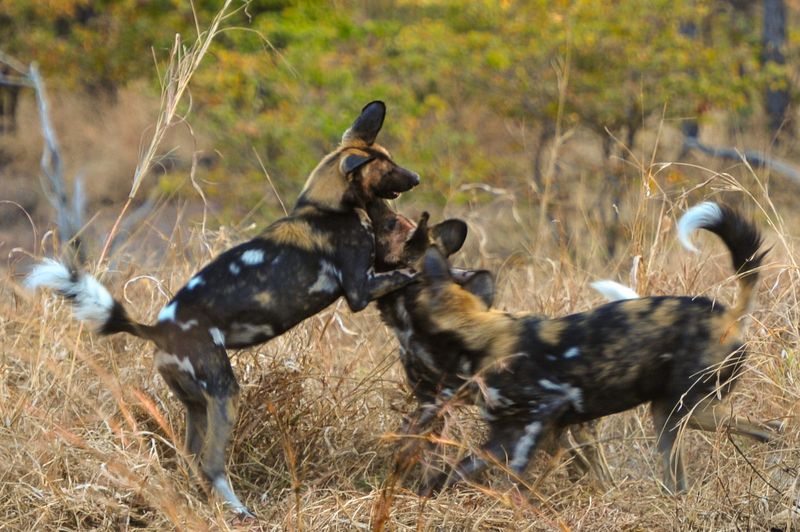
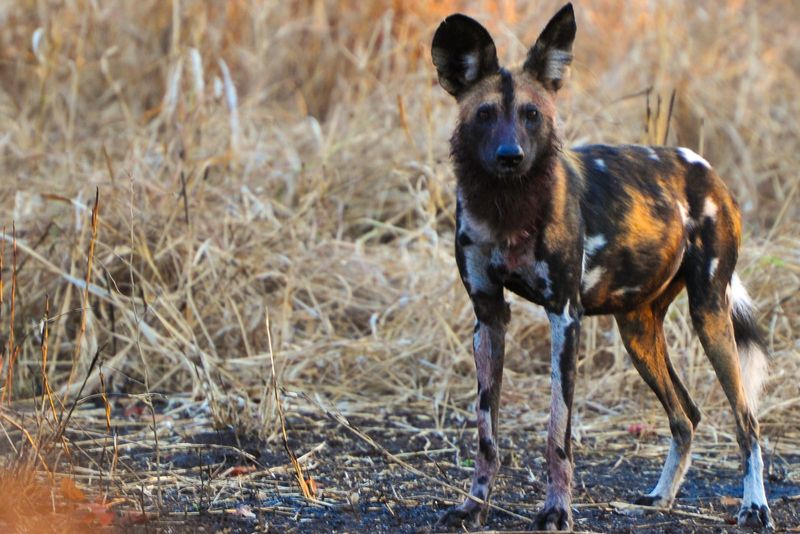
About 6,600 adults remain, in 39 separate subpopulations. Only around 1,400 are mature, breeding animals.Source: IUCN Red List, Lycaon pictus (Endangered); Canid Specialist Group
| Remaining | About 6,600 adults, of which about 1,400 mature |
|---|---|
| Trend | Decreasing |
| Historical range | About 7 percent of historical range |
Source: IUCN Red List 2020; Wolf and Ripple, Royal Society Open Science 2017
Wild dogs need more room than almost any other African carnivore. A single pack can range over hundreds of square kilometers, which is why fragmentation, road kills, snares and disease from domestic dogs hit them harder than most. Packs cross fences and borders routinely. Knowing where a pack is in near real time lets a reserve manager warn a neighbor, vaccinate domestic dogs in the right village, or find a snare line before the pack does.
What technology changes
Pack trackers, camera traps on fence lines and roads, snare detection patrol data.
Cheetah
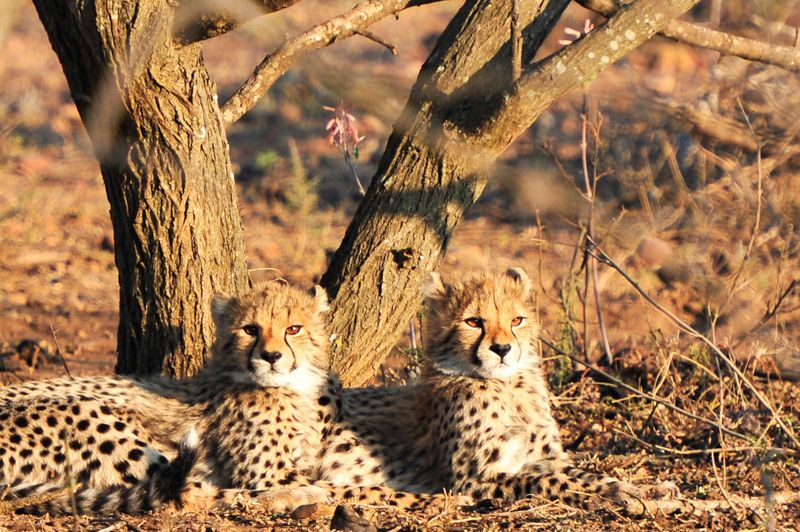
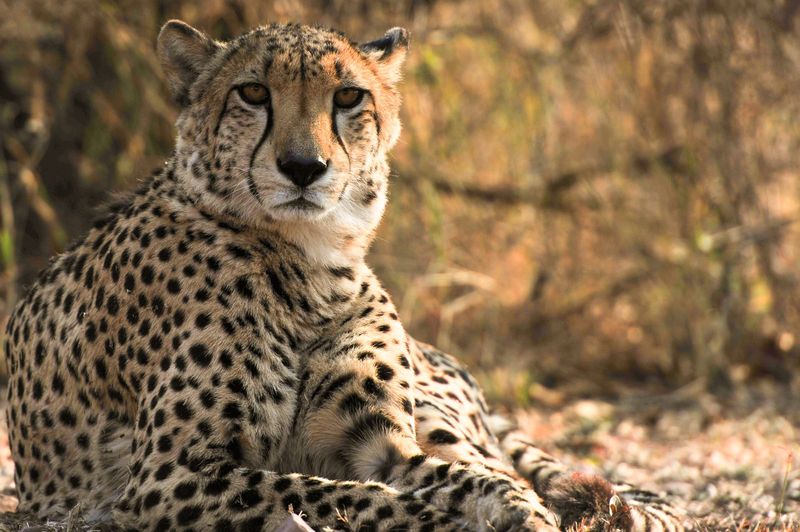
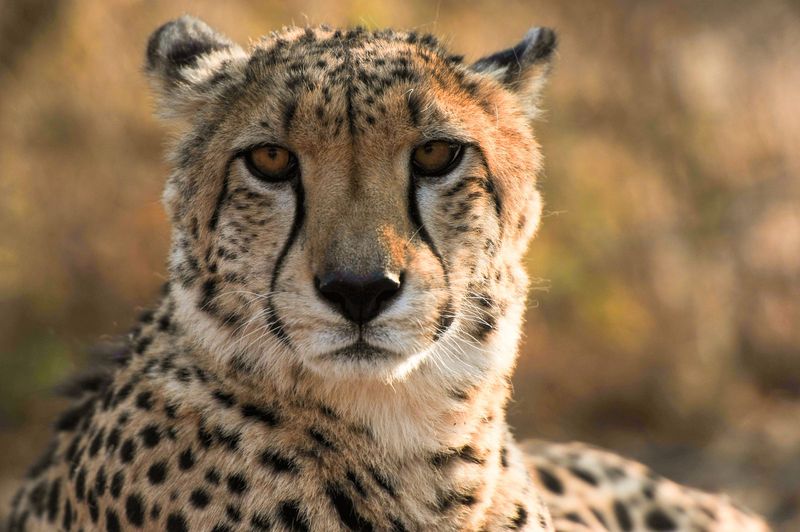
Roughly 6,500 mature cheetahs remain in the wild, on about 9 percent of the historical range.Source: IUCN Red List, Acinonyx jubatus (Vulnerable), 2021 assessment
| Remaining | About 6,500 mature |
|---|---|
| Trend | Decreasing |
| Historical range | About 9 percent of historical range |
Source: IUCN Red List 2021
Most cheetahs live outside protected areas, on farmland and communal land, where they are blamed for livestock losses and pushed out. They lose cubs to lions and hyenas inside reserves and to people outside them. Protecting them means watching whole landscapes: which water points, which corridors, which farms.
What technology changes
Camera-trap monitoring outside reserves, livestock-loss mapping, corridor detection.
Pangolin
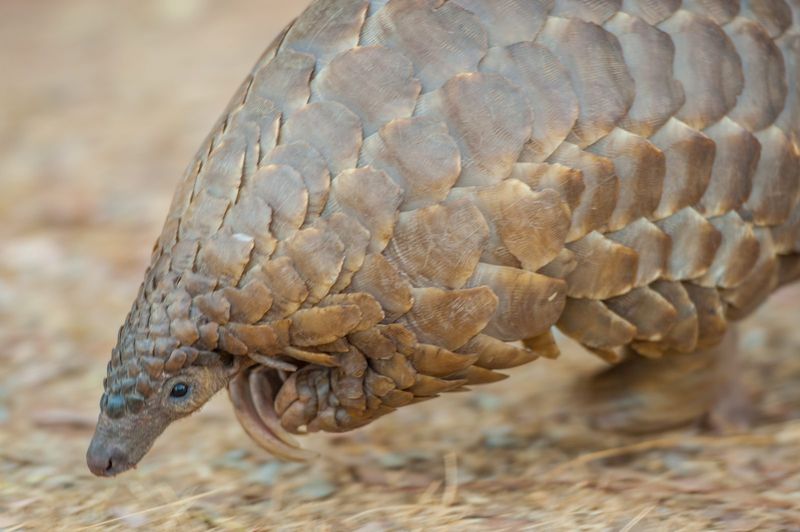
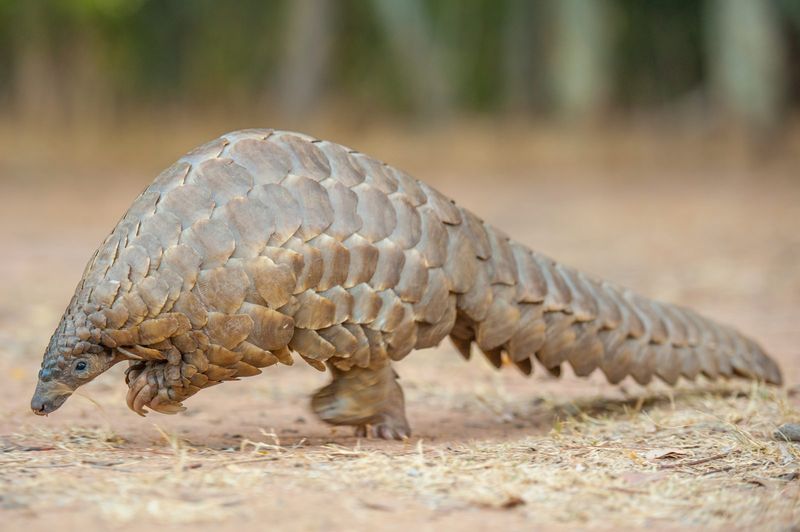
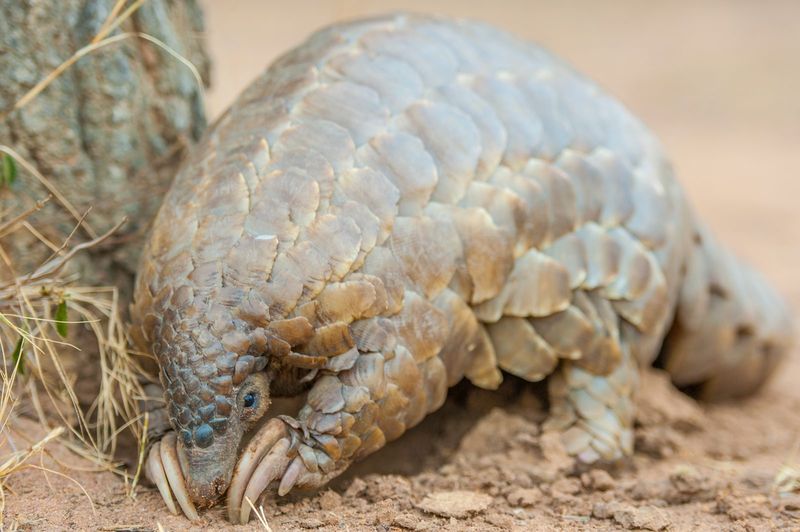
Pangolins are the most trafficked wild mammals in the world. All eight species are threatened with extinction.Source: IUCN SSC Pangolin Specialist Group; CITES Appendix I listing, 2017
| Remaining | No reliable population estimate exists for Temminck's ground pangolin |
|---|---|
| Trend | Decreasing |
| Historical range | Southern and eastern Africa; no published percentage |
Source: IUCN Red List 2019
Temminck's ground pangolin, the species of southern Africa, is listed as Vulnerable and declining. Pangolins are taken for their scales and meat and moved through the same trafficking routes as ivory and rhino horn. Detection at the source, on access roads and at reserve boundaries, is where technology helps most.
What technology changes
Camera traps with person and vehicle recognition on access roads, acoustic sensors, patrol data integration.
Buffalo
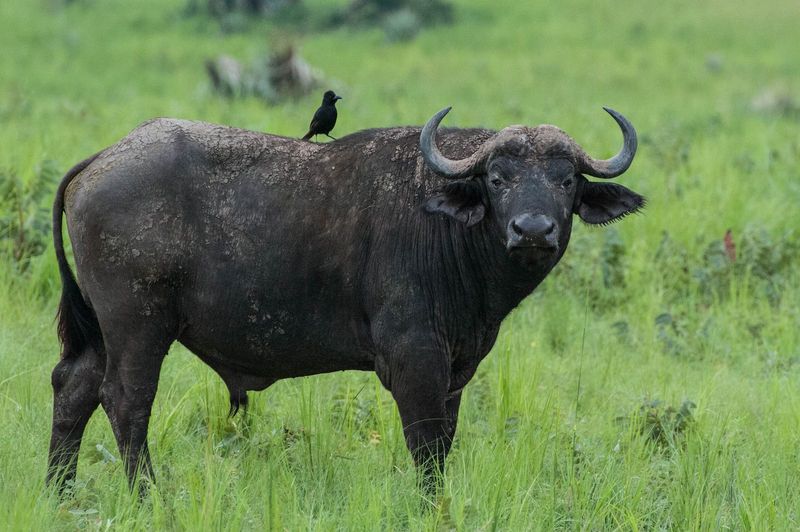
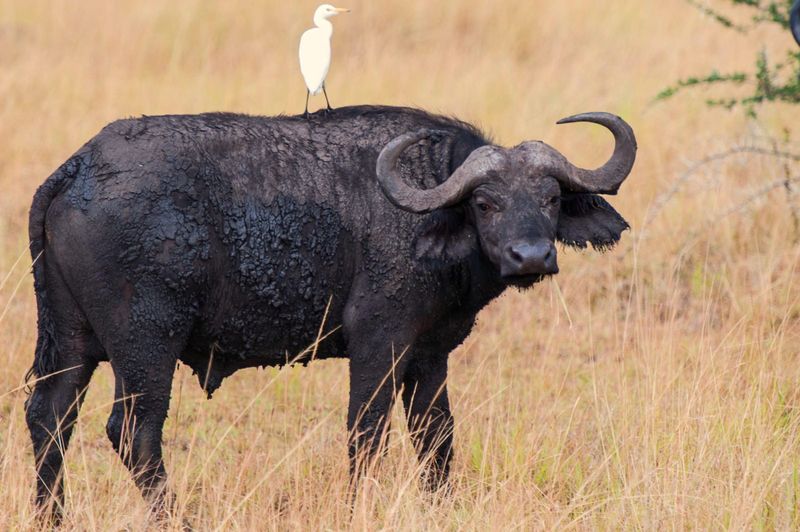
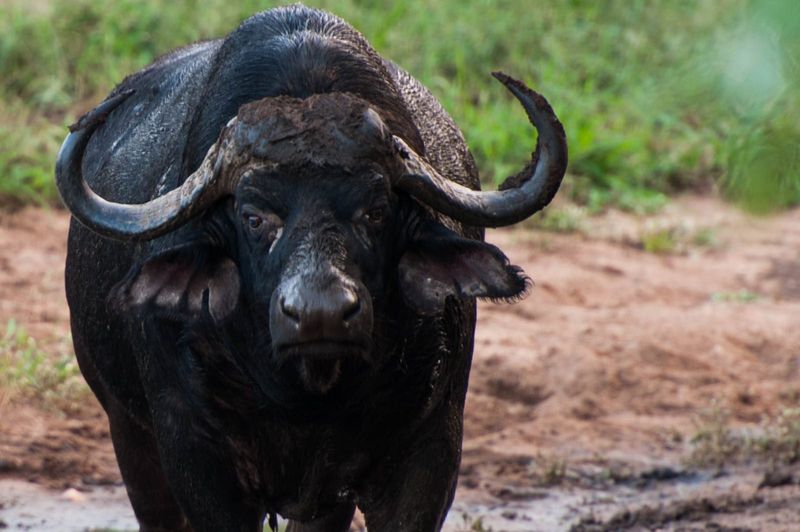
About 400,000 mature African buffalo remain, and the population is decreasing. Listed as Near Threatened.Source: IUCN Red List, Syncerus caffer, 2019 assessment
| Remaining | About 400,000 mature |
|---|---|
| Trend | Decreasing |
| Historical range | About 20 to 25 percent of historical range |
Source: IUCN Red List 2019; Animal Diversity Web, University of Michigan
Buffalo are a keystone grazer and the main prey of lions across the region. They are lost to habitat conversion, drought, poaching for meat, and diseases shared with cattle: bovine tuberculosis, corridor disease and foot-and-mouth restrict where herds may move and force fencing between wildlife and livestock. Where buffalo, cattle and people share water, monitoring the boundary matters for all three.
What technology changes
Water-point cameras, fence-line and corridor detection, disease-surveillance data for veterinary partners.
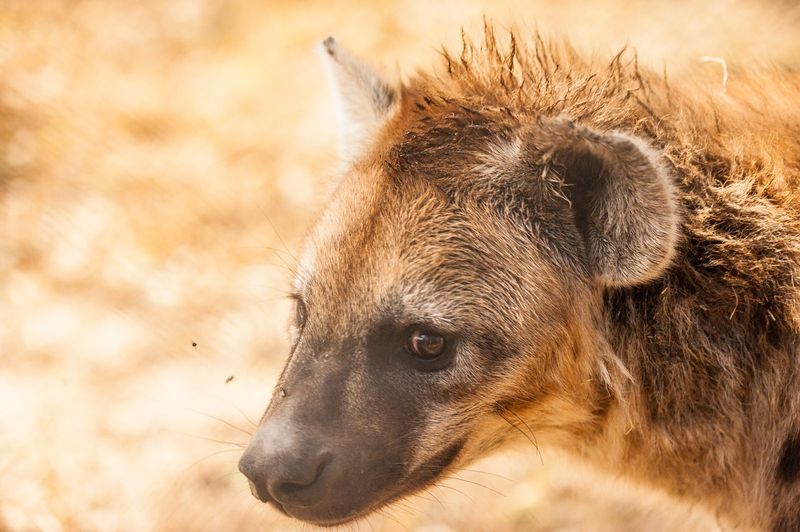
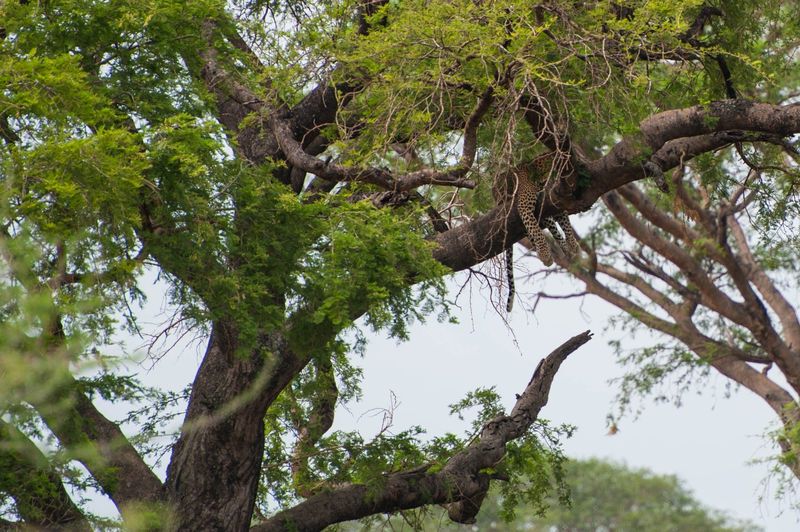
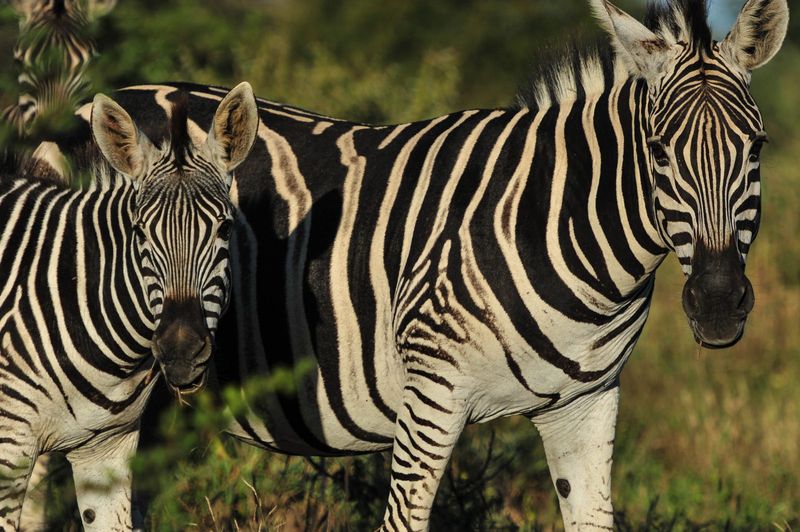
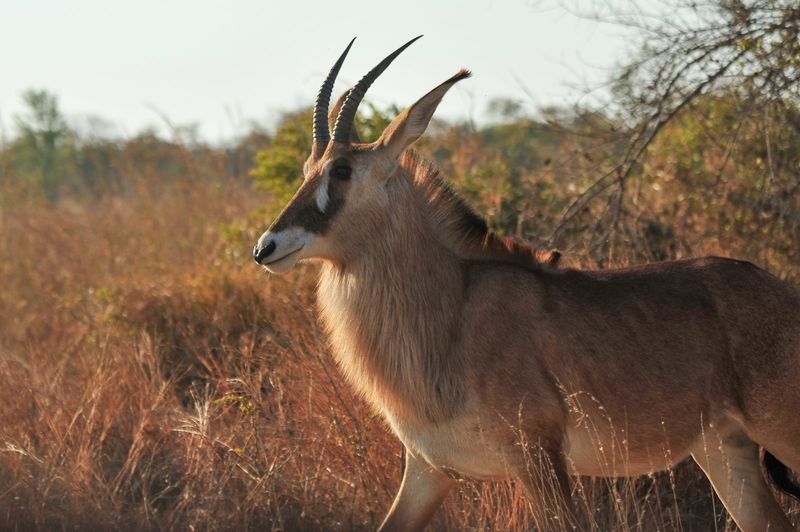
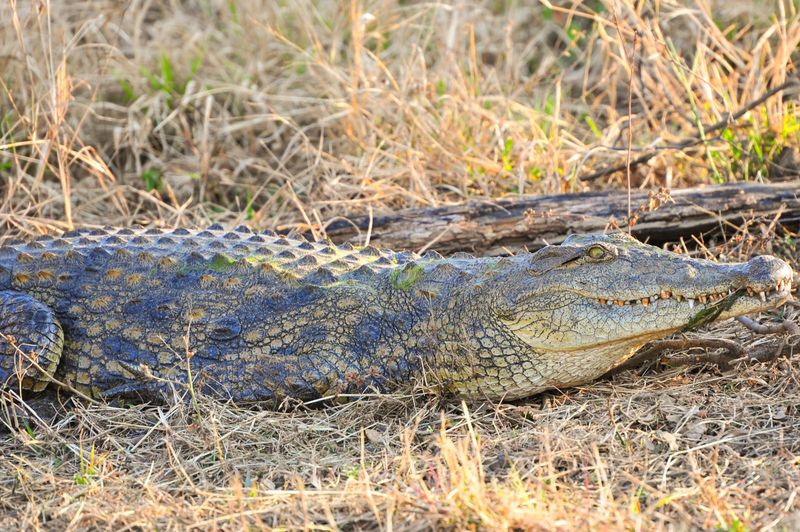
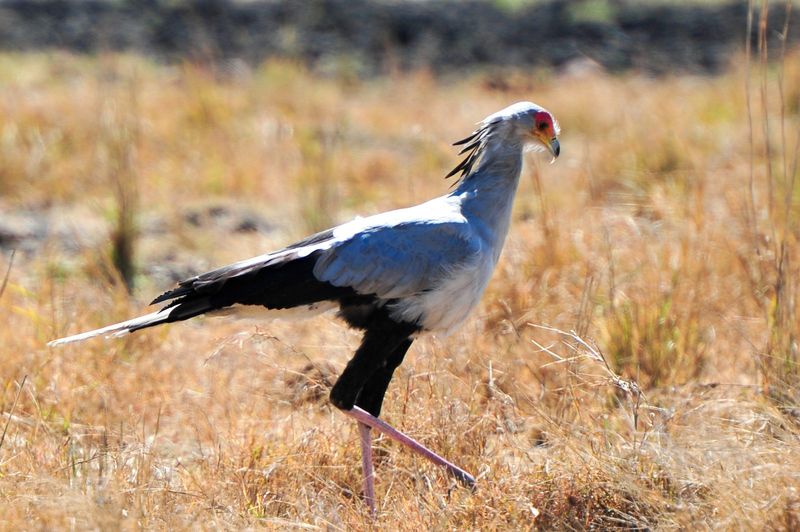
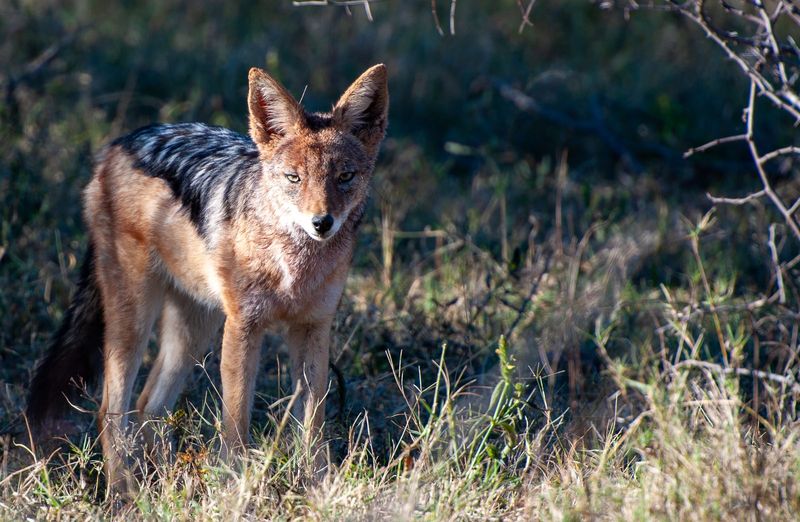
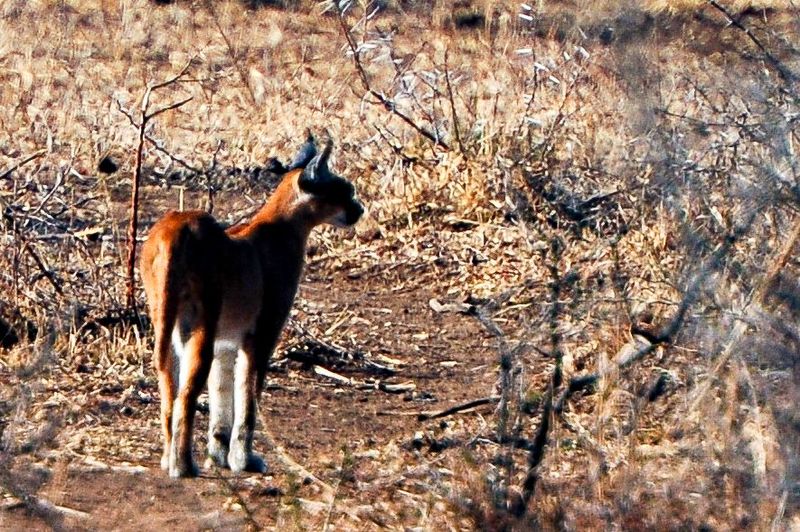
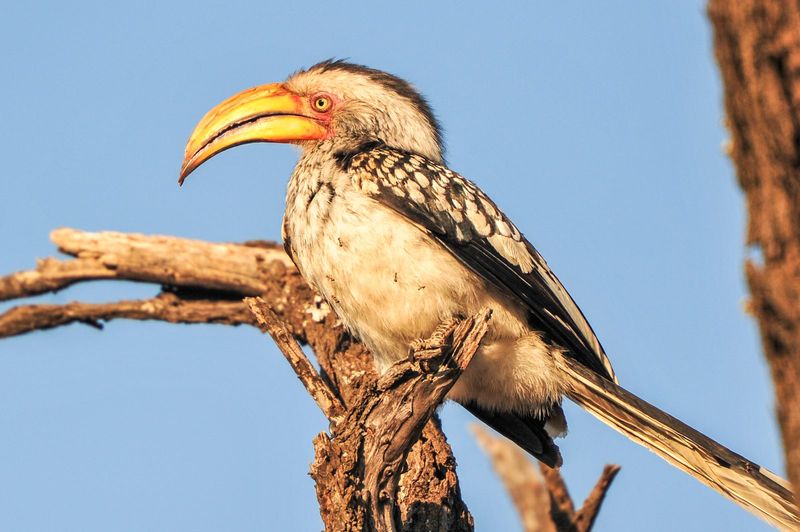
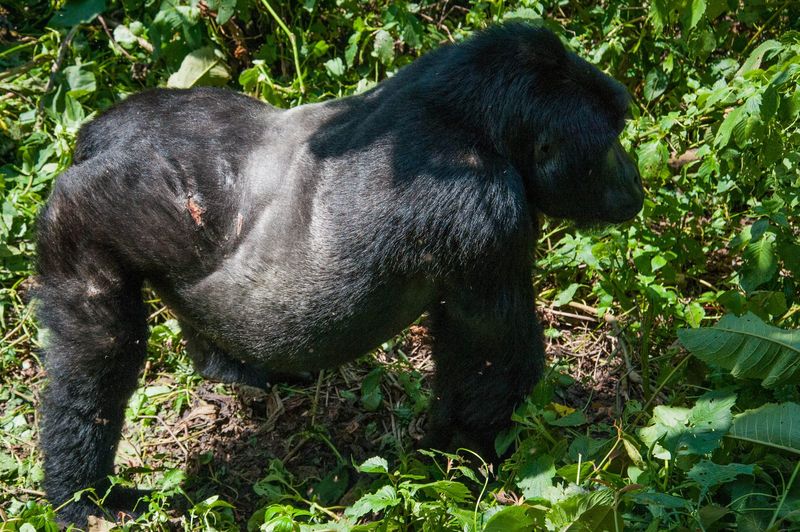
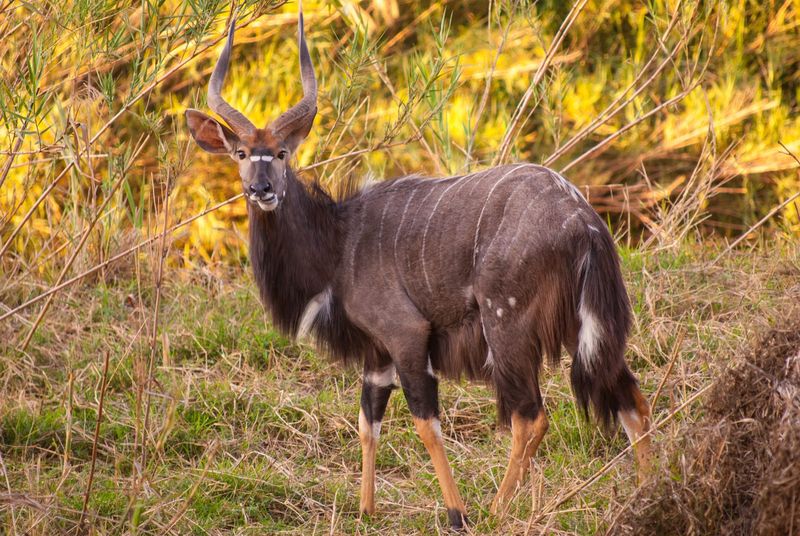
Many more species
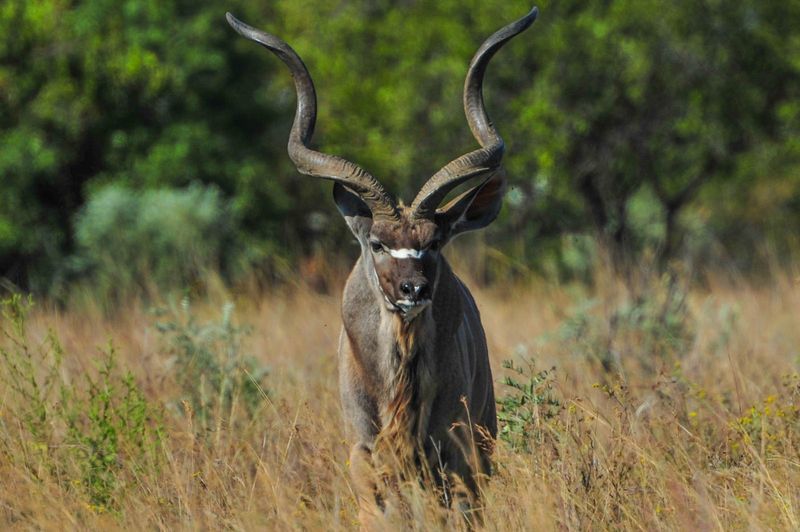
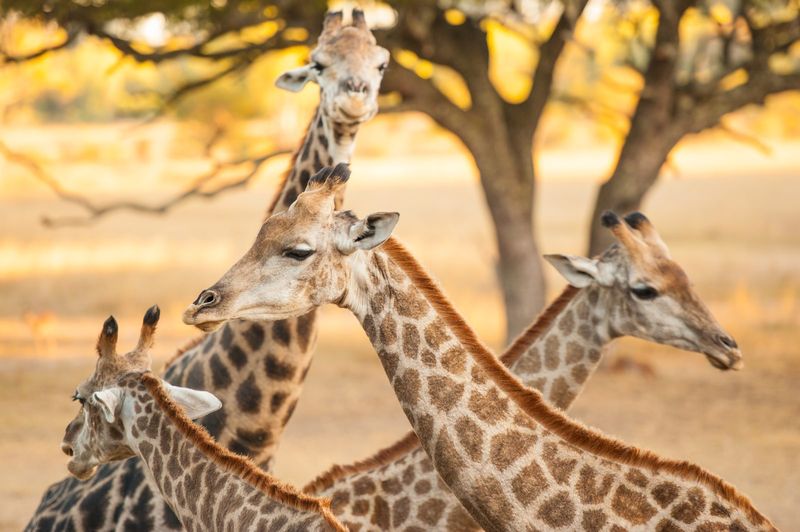
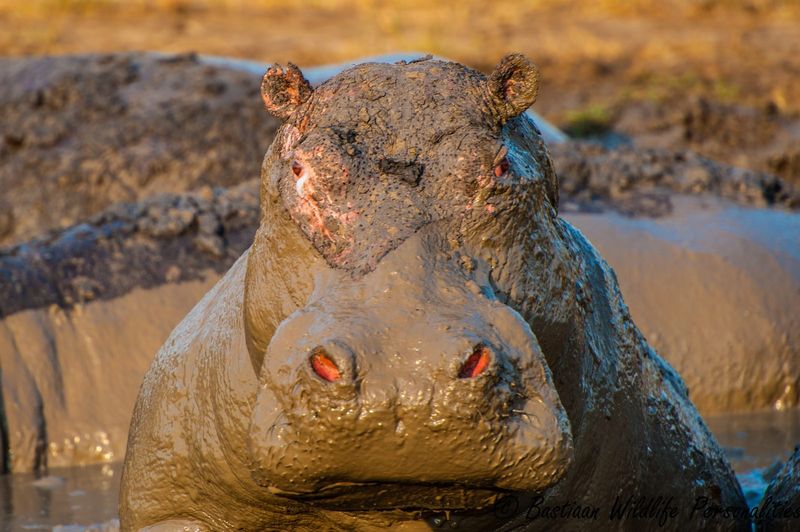
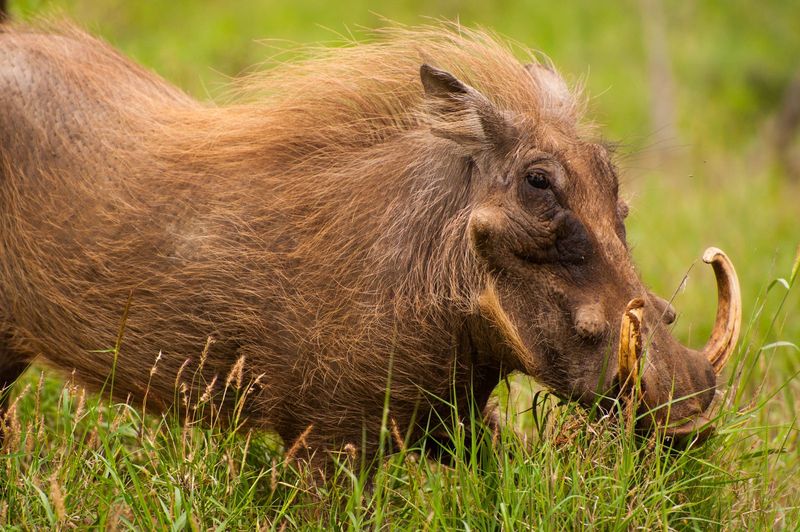
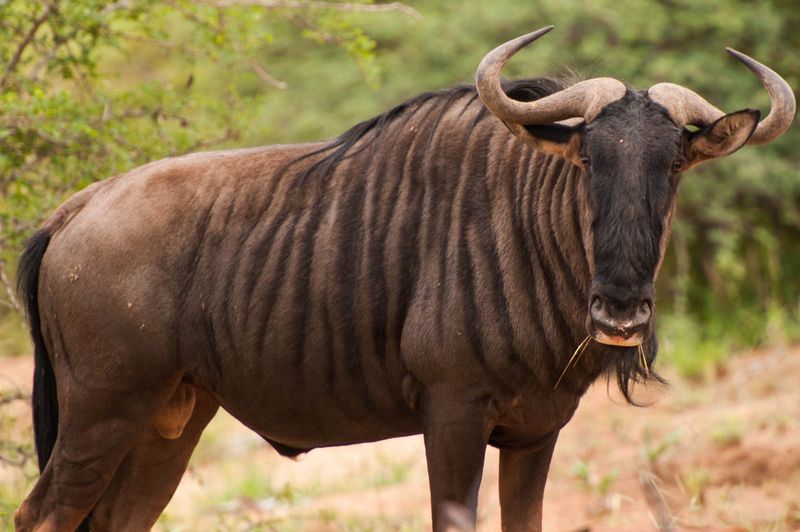
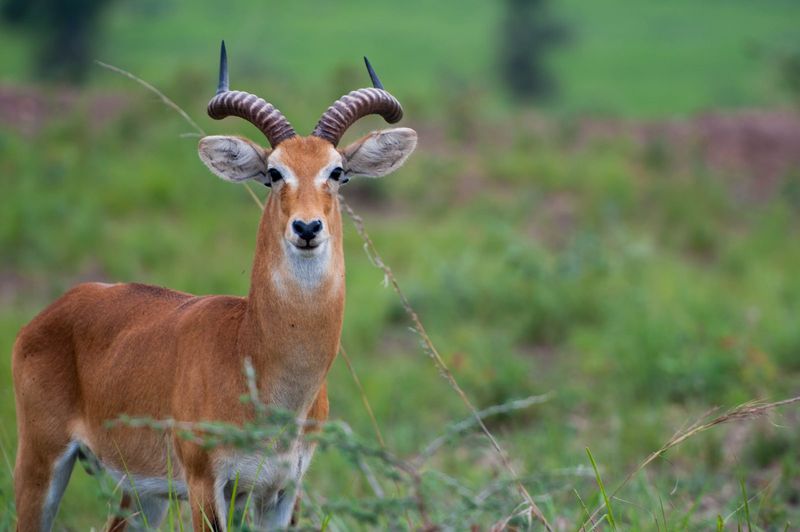
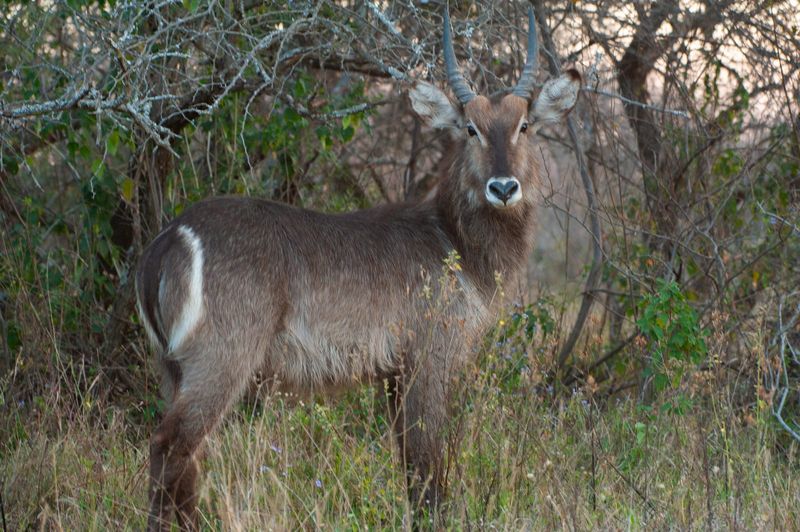
Put technology in the hands of the people protecting wildlife
From $10 a month. Cancel any time. 100% of your gift goes towards the cause.
Listener
You put ears in the bush: sensors that hear gunshots, animals and weather.
Photographer
You put eyes on the ground: camera traps that recognize what walks past.
Tracker
You follow the animals: trackers that show where they move and where they are at risk.
Network Builder
You connect it all: the base station that carries every sensor, camera and tracker back to the people who act on it.